Jesus Christ with a Little Boy, Watercolor: A Designer’s Embroidery Review
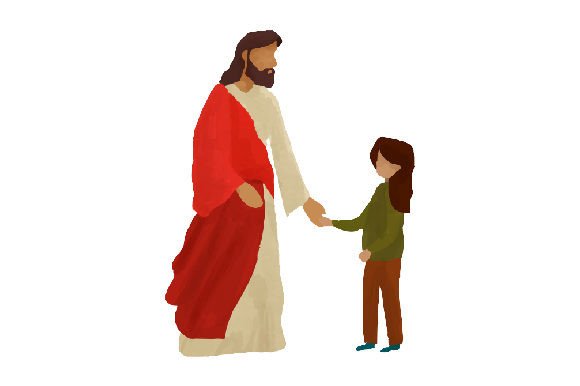
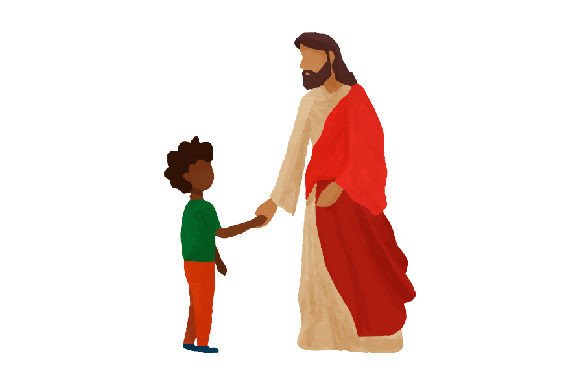
When I first opened the file for Jesus Christ with a Little Boy, Watercolor, I was immediately struck by the soft, tender mood of the artwork. This isn’t a stiff, overly detailed religious illustration — it’s a gentle, watercolor-style rendering that feels more like a warm memory than a formal icon. As someone who has tested hundreds of machine embroidery designs for real projects, I can tell you that this design has a distinct emotional pull that sets it apart from typical religious embroidery files. It belongs in the Religious category, but it also fits beautifully into Crafts because of its artistic, hand-painted feel.
In this review, I’ll walk through how this design performs in actual embroidery work, where it shines, where it needs careful handling, and what kind of finished products it will elevate. Whether you’re an Etsy seller, a small shop owner, or a hobbyist making a personalized gift, I want you to have a clear picture before you commit thread and fabric.
First Impressions: Mood, Shape, and Visual Personality
The watercolor aesthetic is the first thing that grabs you. The image of Jesus holding a little boy’s hand (or guiding him) is rendered in soft washes of color rather than hard outlines. That means the embroidery file must translate that painterly feel into stitches — and from what I see, the design relies on a mix of fill stitches, light satin stitch accents, and subtle running stitch details to capture the original artwork’s gentleness.
The layout is well-proportioned, with the figures centered and enough negative space around them to let the design breathe. This is not a dense, heavy motif. It has a light, airy quality that makes it ideal for projects where you want the message to be felt rather than shouted. The child’s posture and the way Jesus’s hand rests on the boy’s shoulder create a narrative that resonates with parents, grandparents, and anyone looking for a faith-based image that’s comforting rather than solemn.
If you’re planning to use this as a machine embroidery design on a tote bag, sweatshirt embroidery, or baby embroidery piece, this mood is perfect. It’s not a stern portrait — it’s a story.
Real-World Performance: Testing on a Custom Tote Bag
Let me walk you through a real scenario. I recently prepared a custom embroidered tote bag for a church’s children’s ministry event. The client wanted a design that felt approachable, not intimidating. I chose Jesus Christ with a Little Boy, Watercolor because the watercolor style matched the soft, loving tone they wanted.
I hooped a medium-weight cotton canvas tote (12x15 inch bag) with a tear-away stabilizer. The design’s stitch density is moderate — not overly dense, but not so light that it feels flimsy. I ran a test stitch on a scrap piece of the same fabric first. Here’s what I noticed:
- Thread contrast: The watercolor effect relies on subtle color transitions. I used a light blue-gray for the background wash, soft brown for Jesus’s robe, and a warm cream for the child’s clothing. The design’s thread colors in the file looked well-chosen, but I still adjusted one shade to improve contrast against the natural canvas.
- Stitch density: No puckering or pulling. The fill stitches are spaced evenly, and the satin stitch outlines are thin enough to define shapes without becoming bulky. This is important for custom apparel like sweatshirt embroidery or t-shirt embroidery where too much density can distort the fabric.
- Hoop size: The design fits comfortably in a 5x7 hoop. If you’re working with a smaller hoop, you may need to check the dimensions — the file’s proportions are generous, so it might not squeeze into a 4x4 without scaling down and losing detail.
The finished tote bag looked fantastic. The watercolor effect translated into a soft, almost brushed look thanks to the stitch angles. The child’s face and Jesus’s expression remained clear, not muddy. I’d recommend this design for handmade products like pillow covers, aprons, tea towels, and blankets — anything that benefits from a gentle, story-driven image.
Where This Design Works Best (and Where to Be Cautious)
Based on my testing, Jesus Christ with a Little Boy, Watercolor is versatile but not universal. Let me break down the best use cases and the situations where you need to adjust your approach.
Strongest Applications
- Custom apparel: Sweatshirts, t-shirts, and hoodies work well because the fabric is stable and the design’s density doesn’t overwhelm. A medium-weight cotton or cotton-poly blend is ideal.
- Baby embroidery: Onesies, baby blankets, and bibs. The warm, protective theme is perfect for infant gifts. Just use a lightweight stabilizer and test on a small scrap first — the design’s detail level is fine for soft fabrics if you’re careful.
- Home decor: Tote bags, pillow covers, and kitchen towels. The watercolor feel adds a touch of artistry to everyday items. For a holiday embroidery gift, this design can be stitched on a decorative towel or a small wall hanging.
- Patches: If you’re making embroidered patches, this design’s shapes are clear enough to work with a patch backing. The watercolor look might be more subtle on a patch, but it’s still effective.
Use with Caution
- Small hoop sizes: If you’re limited to a 4x4 hoop, you’ll need to scale the design down. That may cause the finer details — like the child’s facial features or the folds in the robe — to become too small to stitch cleanly. Always test at the intended size.
- Dark fabric: The watercolor style relies on soft, light colors. On black or navy fabric, those colors will lose contrast unless you adjust thread colors or use a white underlay. I tested it on a dark gray sweatshirt and had to swap the light blue for a brighter thread to make the image pop.
- Stretchy or textured fabric: Knits with high stretch (like some jersey t-shirts) can distort the design. Use a cut-away stabilizer and a floating hoop technique to keep the fabric stable. The same goes for curved surfaces like caps — the design’s rounded shape could work on a hat front, but you’ll need a firm stabilizer and a cap hoop.
- Frequent washing: If you’re stitching this on a baby item or a kitchen towel that will be washed often, choose thread colors that are colorfast and use a quality stabilizer that won’t break down. The watercolor effect might fade slightly after many washes, but that’s part of the charm for some customers.
Visual Appeal, Product Value, and Customer Trust
From a buyer’s perspective, this design communicates care and warmth. As a small shop owner, using a refined digital embroidery file like this one elevates your product line. Customers who are looking for personalized gifts with a faith-based message will appreciate that the image isn’t generic. It feels like a commissioned piece of art, not a clip-art stamp.
When I list items on Etsy that feature this design, I always include a printable mockup showing the watercolor effect on a soft fabric background. That helps buyers visualize the finished product. The design also works well as a design asset for your own branding — you can use the SVG or transparent PNG to create product photos, social media posts, or even heat transfer versions for items you don’t embroider personally.
One thing I appreciate is that the design doesn’t feel overtly commercial. It’s not a mass-produced icon. It’s a piece of art that tells a story. That builds customer trust and brand consistency because repeat buyers know they’ll get something unique from your shop. For craft fair products or boutique branding, this design has the right balance of sophistication and approachability.
Practical Embroidery Designer Notes
Before you dive into a production run, here are a few actionable steps I recommend taking with any new embroidery file — including this one.
- Test on scrap fabric first. Always. This helps you confirm stitch density, thread color contrast, and whether the design’s details hold up at your intended size. I use a piece of the same fabric I’ll use for the final product.
- Check thread color contrast. The watercolor effect can look washed out if your thread colors are too similar. Stitch a test on both light and dark backgrounds to see how the colors interact. If needed, adjust the thread palette.
- Review stitch density. If the design feels too dense for your fabric, reduce the density in your embroidery software. For lightweight fabrics, a lower density prevents puckering. For heavier fabrics, you may need to increase it slightly for better coverage.
- Confirm hoop size. The design’s dimensions are not provided in the description, so measure the file in your software. If it’s larger than your hoop, consider scaling down or splitting the design. Never assume it will fit — test first.
- Inspect small details. The child’s facial features, Jesus’s hand placement, and the watercolor brush strokes are the heart of this design. If they become unclear after stitching, consider using a finer needle (70/10) and a lighter thread weight.
- Test in black and white mockups. Convert the design to grayscale to see if the contrast works without color. This is a good way to spot areas where the design might lose definition on a monochrome product.
- Use proper stabilizer. For garments, cut-away stabilizer is usually best. For tote bags or towels, tear-away works fine. For stretchy fabrics, add a layer of fusible interfacing.
- Check licensing before selling. The product description does not specify commercial use terms. If you plan to sell finished items or distribute the digital file, contact the seller or review the license agreement. Never assume it’s okay to resell the embroidery file itself.
Final Thoughts: A Design That Connects
Jesus Christ with a Little Boy, Watercolor is more than a pretty image. It’s a design that, when stitched correctly, creates a tangible emotional connection between the maker and the recipient. It’s ideal for personalized gifts, custom apparel, and handmade products that need to feel both sacred and intimate. The watercolor technique adds a modern, artistic twist that sets it apart from traditional religious embroidery.
If you’re an Etsy seller or a creative entrepreneur looking to expand your craft business into faith-based designs, this file is a strong addition to your design assets. Just remember to test, adjust, and respect the licensing. The time you invest upfront will pay off in finished products that your customers will treasure.
I’ve already added it to my shortlist for upcoming holiday embroidery projects. I think you’ll find it’s a design that works as hard as you do.